

The Main Differences Between Used Large Excavators and Used Small Excavators
Release time: 2025-10-09
With the increasing demand for construction, mining, and infrastructure development, the used excavator market has grown steadily. Large and small excavators, due to their varying capabilities and application scenarios, are often chosen as key equipment for various projects. Understanding the key differences between used large and small excavators can help you choose the right equipment for your specific construction needs, improving efficiency and reducing costs.
Table of Contents
Definition and Applications of Used Large Excavators
Definition:
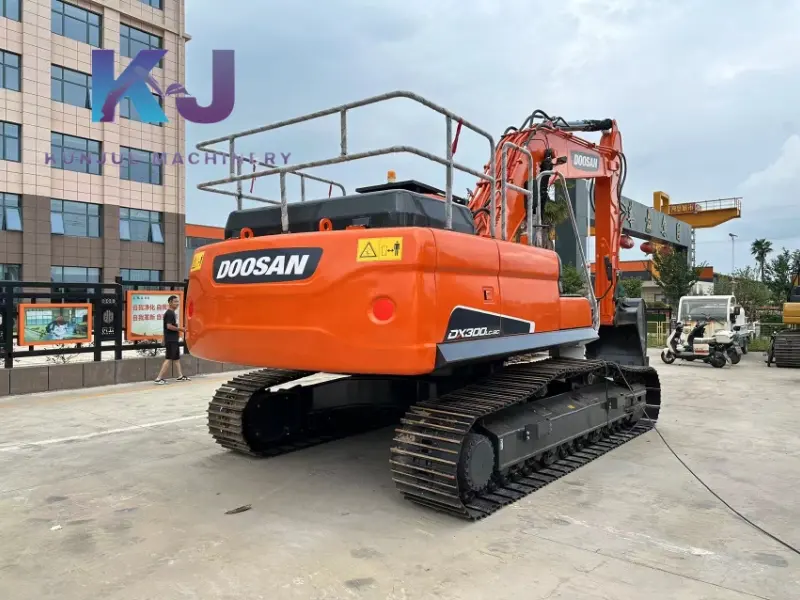
Large excavators generally refer to those with an operating weight of 20 tons or more. They are typically equipped with powerful engines and larger buckets, making them suitable for large-scale earthmoving operations and heavy construction tasks. Used large excavators are those that have been circulated and resold by buyers. They typically offer superior capabilities but are priced lower than new equipment.
Used large excavators are primarily used in the following scenarios:
Mining: The powerful power and large buckets of large excavators make them ideal for mining operations, enabling efficient excavation of earth and rock. Large construction sites: Used large excavators are widely used in urban construction, large road construction, and other projects, capable of handling complex terrain and heavy earthmoving operations.
Port and terminal operations: Used huge excavators are used for heavy operations such as cargo loading and unloading at ports and dock construction.
Demolition projects: Due to their powerful digging capabilities, used large excavators are also widely used in urban demolition, enabling efficient building demolition.
Definition and Application Scenarios of Used Mini Excavators
Definition:
A mini excavator generally refers to an excavator with an operating weight between 5 and 20 tons. Its compact structure and high maneuverability make it suitable for working in confined spaces. Compared to large excavators, used mini excavators offer lower purchase and maintenance costs, making them suitable for many small projects.
Used mini excavators are suitable for the following applications:
Landscaping: Mini excavators play an important role in landscaping, particularly in tree planting, flower bed carving, and soil tillage. Urban infrastructure construction: Due to their small size, they can access narrow urban streets and residential areas for construction, making them suitable for installing water pipes, drainage pipelines, and other facilities.
Small construction projects: For residential complexes and commercial buildings, used mini excavators can efficiently operate within confined spaces.
Small earthmoving operations within industrial parks: Mini excavators can perform earthmoving work within confined areas, such as landscaping within residential areas or underground infrastructure construction.
The Difference Between Used Large and Small Excavators
Work Capacity and Efficiency:
Large excavators, due to their large size and greater power, can perform more earthmoving work, making them far more efficient than small excavators. For example, in mining or large infrastructure projects, large excavators can complete large volumes of earthmoving work in a shorter period of time. While small excavators are suited to smaller operations, their efficiency may be lower, but they can compensate for the shortcomings of large excavators in some specialized environments.
Applicable Sites:
Large excavators are generally suitable for expansive construction sites, such as mines, large construction sites, and ports, while small excavators are more suitable for working in confined spaces, such as city streets, underground pipelines, and small construction sites.
Maneuverability and Operability:
Small excavators generally offer greater maneuverability, enabling them to maneuver and operate flexibly in confined spaces. Their compact size makes them particularly advantageous in complex environments. Large excavators, however, require more space due to their bulk and are less maneuverable, but they offer greater stability and are suitable for prolonged, high-intensity work.
Cost and Maintenance:
Small excavators are relatively affordable and suitable for smaller construction projects. Large excavators, on the other hand, are more expensive to purchase and require more maintenance and fuel. Therefore, the choice should be based on project requirements and budget.
Operating Range and Depth:
Large excavators, due to their large bucket capacity and powerful power, are capable of digging deeper and are suitable for environments with hard soil or rocky soils. Mini excavators have relatively low operating depths and digging forces, making them suitable for shallow earthwork and soft soil excavation.
Used large and small excavators each offer advantages and are suitable for different construction environments and needs. When selecting equipment, quality and reliability are crucial, in addition to the project size and budget. Shanghai Kunjue offers a wide variety of used large excavators, ensuring that each unit undergoes rigorous quality inspections and offers high performance and excellent durability. Whether it’s a large-scale project or a specialized operation, Shanghai Kunjue’s used excavators can provide strong support for your project and safeguard your investment.